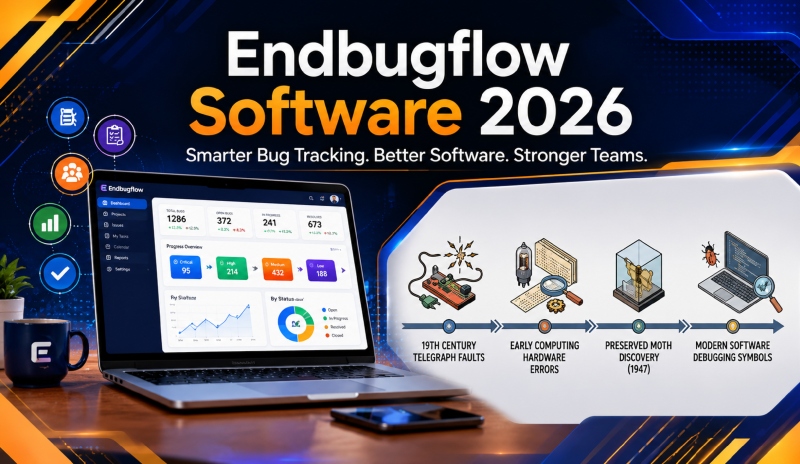
In today’s fast-growing digital world, software quality plays a major role in business success. However, creating a perfect application is not always easy because bugs and technical issues can appear during development. Therefore, development teams need reliable solutions that help them identify, manage, and fix problems quickly. Endbugflow Software is designed around this need by providing an organized approach to handling software bugs and improving development workflows.
Unlike traditional methods where teams depend on emails, spreadsheets, or separate communication channels, modern bug tracking solutions allow developers and testers to work together more efficiently. As a result, businesses can reduce delays, improve collaboration, and deliver better software experiences to users.
What Is Endbugflow Software?
Endbugflow Software is a workflow-focused solution that helps teams manage software issues throughout the development process. It provides a structured environment where bugs can be reported, reviewed, assigned, tracked, and resolved without unnecessary confusion.
In addition, the software helps development teams maintain clear records of every issue. Instead of losing important details in different conversations, team members can access all bug-related information from a centralized system.
Moreover, a proper bug management process allows organizations to understand recurring problems and improve their overall development strategy. Whether a team is working on a website, mobile application, or complex software platform, having an organized tracking system can make the entire process smoother.
Why Bug Tracking Is Important for Software Development
Software bugs can affect performance, security, and user satisfaction. Even a small error can create major problems if it is ignored for a long time. Therefore, identifying and resolving issues before product release is essential.
Traditional bug management methods often create challenges because information can become scattered. For example, a developer may miss an important update if it is shared through email or different messaging platforms. Consequently, projects may experience unnecessary delays.
With a dedicated system like Endbugflow Software, teams can:
- Record and organize software issues.
- Prioritize important bugs.
- Assign tasks to responsible team members.
- Monitor progress from discovery to resolution.
- Improve communication between developers and testers.
- Maintain better software quality.
Furthermore, a structured workflow helps teams focus on solving problems instead of spending extra time searching for information.
Key Features of Endbugflow Software
A successful bug tracking platform should provide practical features that support the complete development lifecycle. Endbugflow Software focuses on improving organization, communication, and productivity.
Centralized Bug Reporting
One of the most important features is organized bug reporting. Teams can create detailed reports containing issue descriptions, error information, priority levels, and other useful details.
As a result, developers receive a clearer understanding of the problem and can begin troubleshooting faster. Additionally, detailed reports reduce the chances of repeated communication between testers and developers.
Issue Tracking and Management
Managing multiple software issues at the same time can become challenging. However, a proper tracking system allows teams to monitor each bug from the moment it is reported until it is successfully fixed.
Moreover, tracking every stage of an issue helps project managers understand development progress and identify possible delays.
Team Collaboration
Software projects usually involve developers, testers, designers, and managers. Therefore, smooth communication between team members is extremely important.
Endbugflow Software supports better collaboration by keeping discussions, updates, and issue details organized. Consequently, everyone involved in the project can stay informed and make better decisions.
Priority-Based Workflow
Not every bug has the same impact. Some issues may only affect minor features, while others can prevent users from completing important tasks.
For this reason, prioritization is an important part of software development. By identifying critical problems first, teams can improve efficiency and focus their efforts where they matter most.
How Endbugflow Software Improves Development Efficiency
Efficient software development is not only about writing code; it is also about managing problems effectively. Therefore, having a reliable bug tracking process can significantly improve productivity.
First, it reduces confusion by keeping all information in one place. Developers no longer need to search through multiple platforms to understand an issue.
Second, it improves accountability because every task can be assigned clearly. Team members know their responsibilities, deadlines, and progress status.
Finally, it helps organizations create better software by ensuring that problems are identified and resolved before they affect customers.
Benefits, Uses, and Future Potential of Endbugflow Software
Major Benefits of Endbugflow Software
In modern software development, managing bugs effectively can make a significant difference in project success. Endbugflow Software helps teams create a more organized workflow where identifying and fixing issues becomes easier. Moreover, it provides several benefits that improve both development speed and software quality.
Faster Issue Resolution
One of the biggest advantages of using a dedicated bug tracking system is faster problem-solving. When developers receive complete information about an issue, they can understand the problem quickly and work on the right solution.
Additionally, clear task assignments prevent confusion among team members. As a result, bugs can be resolved faster, reducing delays during development and testing phases.
Improved Team Productivity
Software teams often manage multiple tasks at the same time. Therefore, keeping track of every issue manually can become difficult. Endbugflow Software helps organize tasks, monitor progress, and maintain better workflow management.
Furthermore, developers can spend more time improving software instead of searching for missing information or following up on unclear reports.
Better Software Quality
Quality is one of the most important factors in software success. Even a small number of unresolved bugs can negatively affect user experience. However, a structured tracking system ensures that problems are properly documented and reviewed.
Consequently, teams can release more stable applications and provide better experiences for their customers.
Enhanced Communication
Effective communication is essential for successful software projects. Without proper coordination, developers and testers may misunderstand issues or duplicate their efforts.
With an organized platform, team members can share updates, provide feedback, and monitor changes easily. Therefore, everyone remains aligned throughout the development process.
Endbugflow Software vs Traditional Bug Management Methods
Many organizations still use traditional methods such as spreadsheets, emails, or basic task lists to manage software problems. Although these approaches may work for small projects, they often become inefficient as projects become larger.
On the other hand, Endbugflow Software provides a more structured and modern approach.
Traditional Methods Challenges
Traditional bug tracking methods can create several difficulties:
- Important information may be lost in emails.
- Team members may not know the latest issue status.
- Multiple people may work on the same problem.
- Reporting and progress tracking can become complicated.
In contrast, a dedicated bug management solution keeps everything organized in one place.
Modern Workflow Advantages
A modern system allows teams to:
- Track every issue from start to finish.
- Assign responsibilities clearly.
- Review progress easily.
- Maintain detailed records.
- Improve future development strategies.
As a result, organizations can achieve better efficiency and reduce unnecessary development challenges.
Common Use Cases of Endbugflow Software
Different industries can benefit from an effective bug tracking solution. Whether a company develops websites, applications, or enterprise platforms, managing technical issues is always important.
Web Development Projects
Website developers often deal with problems related to design, performance, security, and functionality. Endbugflow Software can help teams record these issues and ensure they are properly resolved.
Mobile Application Development
Mobile apps require continuous testing because they run on different devices and operating systems. Therefore, tracking crashes, errors, and performance issues becomes essential.
SaaS Products
Software-as-a-Service companies frequently release updates and new features. However, each update may introduce unexpected problems. A proper tracking workflow helps SaaS teams maintain reliable services.
Enterprise Software
Large organizations usually have complex software systems with many users. Consequently, they need organized processes to manage technical problems efficiently.
Best Practices for Getting Better Results
To achieve maximum benefits, teams should follow effective bug management practices.
First, every issue should include complete details such as descriptions, screenshots, and steps to reproduce the problem. This helps developers understand the situation quickly.
Secondly, teams should regularly review open issues and update their priorities. Moreover, removing outdated or duplicate reports keeps the workflow clean.
Finally, communication between developers, testers, and managers should remain consistent. Therefore, regular reviews and updates can improve the overall development process.
Frequently Asked Questions
What is Endbugflow Software used for?
Endbugflow Software is used to organize, track, and manage software-related issues during the development process. It helps teams improve communication and resolve bugs more efficiently.
Can small teams use Endbugflow Software?
Yes, small development teams can benefit from a structured bug tracking system because it helps them manage tasks and maintain better organization.
Why is bug tracking important?
Bug tracking allows teams to identify problems early, prioritize important issues, and deliver higher-quality software products.
Does Endbugflow Software improve productivity?
Yes, by organizing tasks and reducing communication problems, it can help teams save time and improve productivity.
Who can benefit from Endbugflow Software?
Developers, testers, project managers, software companies, startups, and businesses that create digital products can benefit from an organized bug management workflow.
Final Thoughts
Software development requires continuous improvement, accurate testing, and effective problem management. Without a proper system, bugs can slow down projects and create negative experiences for users.
Endbugflow Software represents a structured approach to managing software issues by helping teams organize reports, improve collaboration, and maintain better development workflows. Moreover, it allows businesses to focus on creating reliable products while reducing the challenges associated with manual bug tracking.
As technology continues to advance, companies need efficient tools and processes to stay competitive. Therefore, adopting a smarter bug management strategy can help organizations deliver better software, improve customer satisfaction, and achieve long-term success.